Hearing the words “Necrotizing Enterocolitis” (NEC) for the first time is overwhelming for any parent. It’s a condition that affects premature infants, causing severe damage to the intestines. In some cases, the damage is so extensive that surgery is required to remove part of the intestine—leaving a baby with Short Bowel Syndrome (SBS).
If your child has been diagnosed with SBS after NEC, you may be feeling a mix of emotions: fear, confusion, and an urgent need for answers. You are not alone. SBS presents nutritional, medical, and lifestyle challenges, but thanks to medical advancements, children with SBS can thrive with the right support and care.
In this blog, we’ll walk you through:
- What happens after NEC leads to SBS
- How SBS affects digestion and nutrition
- Treatment options, including medical innovation in regenerative therapies
- The role of caregivers and advocacy in ensuring your child gets the best care possible
This journey may not be the one you expected, but you are not walking it alone.
What is Short Bowel Syndrome and Why Does NEC Lead to It?
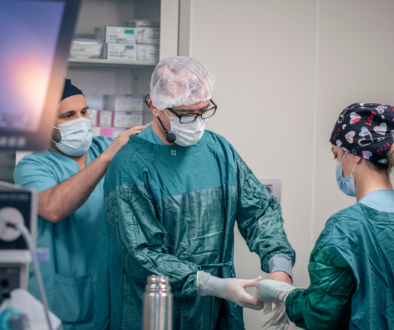
NEC is a serious intestinal disease that primarily affects premature infants. When NEC causes tissue death in the intestines, emergency surgery may be needed to remove the damaged portion. In severe cases, babies may lose a significant portion of their small intestine, leading to Short Bowel Syndrome (SBS).
The Role of the Small Intestine
The small intestine is responsible for absorbing nutrients from food. When a large portion is removed, it becomes difficult for the body to absorb essential nutrients, fluids, and electrolytes—leading to malabsorption, dehydration, and difficulty gaining weight.
Common Symptoms of SBS
- Severe diarrhea
- Failure to gain weight or grow properly
- Nutrient deficiencies
- Dependency on IV nutrition (TPN) or tube feeding (enteral nutrition)
Not every baby who develops NEC will require surgery, and not every surgery will lead to SBS. But when it does, it requires lifelong nutritional and medical management.
Understanding Nutritional Challenges After NEC & SBS
One of the biggest hurdles in SBS is ensuring adequate nutrition and growth.
Total Parenteral Nutrition (TPN) & Enteral Feeding
Many infants with SBS rely on Total Parenteral Nutrition (TPN), where nutrients are delivered directly into the bloodstream via an IV. Over time, some babies transition to enteral feeding—tube feeding that delivers nutrients directly into the stomach or small intestine.
Dietary Adjustments & Intestinal Adaptation
The good news is that the intestine has a remarkable ability to adapt. Over time, the remaining portion of the intestine can learn to absorb nutrients more efficiently—a process called intestinal adaptation.
A nutritionist will play a key role in ensuring your baby gets:
- Adequate calories for growth
- Proper hydration
- A balance of proteins, fats, and carbohydrates
- Vitamin and mineral supplementation
While feeding challenges can feel overwhelming, ongoing research is improving how SBS is managed, offering families more hope than ever before.
How Innovation is Changing the Future of SBS Treatment
SBS used to mean a lifetime of nutritional challenges, but medical advancements are changing the outlook.
1. Regenerative Medicine & Tissue Growth Therapies
Innovations like Eclipse Regenesis are pioneering ways to stimulate the growth of new intestinal tissue, offering hope that future SBS treatment could focus on regeneration rather than lifelong nutritional support.
2. Surgical Interventions to Improve Absorption
Surgical techniques, like the STEP Procedure (Serial Transverse Enteroplasty), help lengthen the intestine to increase absorption. These surgeries can be life-changing for children with SBS.
3. New Therapies for Gut Health
Emerging therapies, including GLP-2 analogs like Teduglutide (Gattex®), have been shown to enhance intestinal adaptation, helping children absorb more nutrients.
Ongoing research continues to improve outcomes for children with SBS, giving families new treatment options and a brighter future.
The Role of Parents & Advocacy in SBS Care
As a parent of a child with SBS, your role in advocacy is critical. You will become your child’s greatest champion in:
- Navigating the healthcare system
- Coordinating with specialists (GI doctors, dietitians, pediatric surgeons, and social workers)
- Pushing for innovative treatments and therapies
Resources & Support Groups for SBS Families
You’re not alone in this journey. There are organizations and parent communities dedicated to helping families navigate SBS:
- Short Bowel Syndrome Foundation – Support and education for families managing SBS.
- The Oley Foundation – Resources for families relying on enteral and parenteral nutrition.
- National Organization for Rare Disorders (NORD) – Advocacy and financial support programs for rare conditions like SBS.
- American Society for Parenteral and Enteral Nutrition (ASPEN) – Information about TPN, enteral feeding, and nutrition.
Finding a community of parents who understand your experience can make an enormous difference in navigating this journey.
Conclusion: You Are Not Alone
Hearing the words “Your child has NEC” and later, “Your child has Short Bowel Syndrome” is incredibly difficult. But you are not alone.
With advancements in nutrition, intestinal adaptation, and regenerative medicine, children with SBS are living longer, healthier lives than ever before.
At Eclipse Regenesis, we are pioneering innovation in SBS care, working toward a future where intestinal regeneration becomes a reality.
Your child’s journey may be different than expected, but with the right care, advocacy, and medical advancements, they have the opportunity to thrive.